

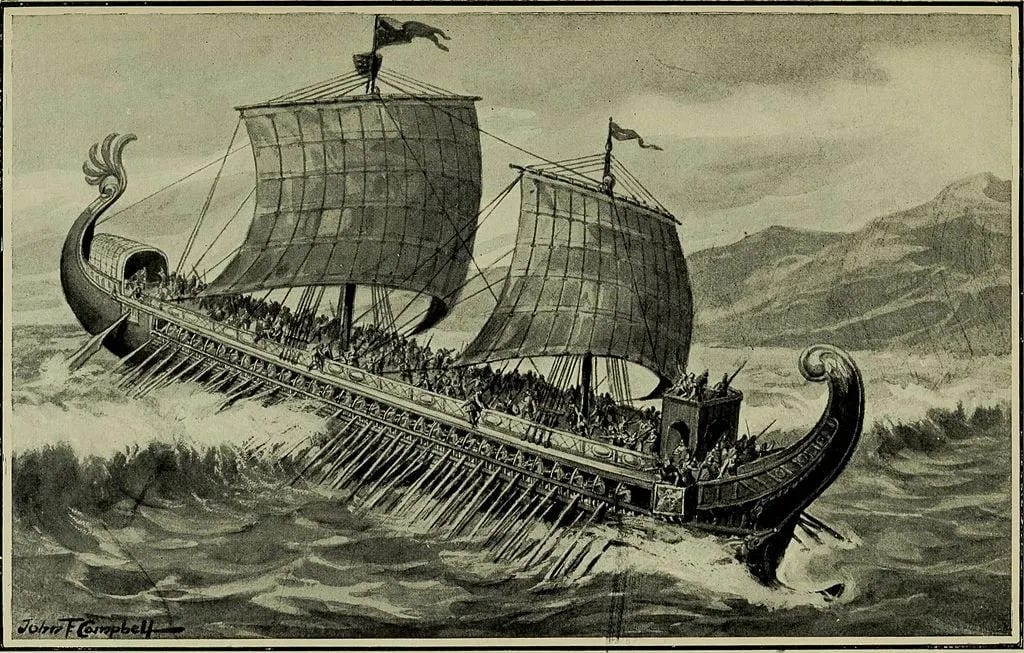
There is an interesting thought experiment called the Ship of Theseus. The experiment was formally articulated by Thomas Hobbes, but he found its origins in Greco-Roman philosopher Plutarch’s concept. The narrative is, Theseus owned a ship entirely made of timber, but as the wood gradually decayed, every plank, in turn, was supplanted by one of metal. The existential question resides in whether the metal ship is the same ship as before, and if not, then at what juncture did it stop being the original.
Now envision each wooden plank as a memory in your mind. Over time, it rots, forgotten, distorted, changed with a new one. After how many changed and effaced memories do you still remain the same person?
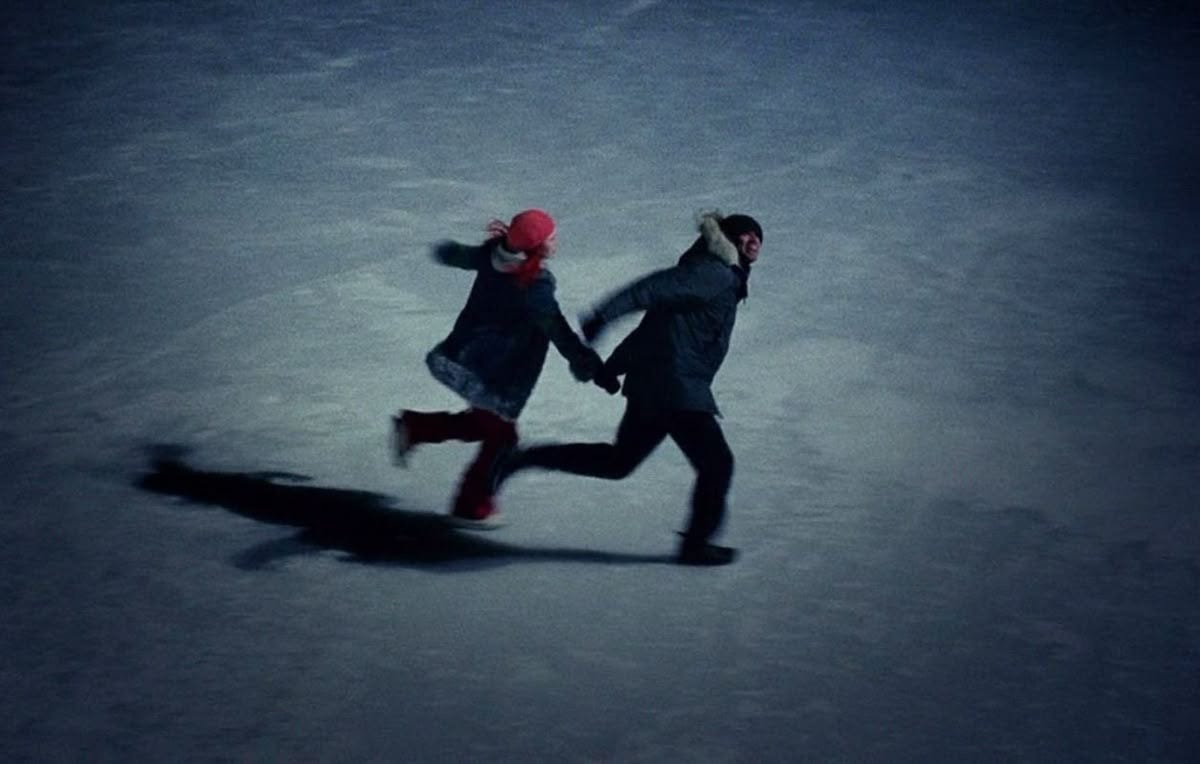
Thus identity, the concept of “I,” is something I find so strange. The idea of selfhood, our consistent belief in ourselves, our values, our thoughts, when the foundation of what makes us, us, is so fallible. The only thing that solidifies one’s identity is the recurrence of the same traits by an individual over time. But we can only re-create or re-do the same trait or action if we possess memory of the first one. Cinema begs to differ. I go back to my absolute favorite film by Michel Gondry, Eternal Sunshine of the Spotless Mind. The concept of a “spotless mind,” a mind that is so pure and untouched by pain, agony, or even regret. In the film, two lovers undergo a memory-erasing procedure in hopes that they can erase one another from their lives; however, they find themselves drawn back to one another. An invisible and destined force. It shows that some current of self survives and perseveres. That is why identity is more than a mere archive; it is the residue of the wooden planks that survive. We are all that came before us; it is embedded within us.
But not all films have such a generous take. The Notebook, featuring the passionate Allie and Noah, is met with the unfortunate future of Allie’s Alzheimer’s. Here, unlike Gondry’s film, the memory isn’t wiped in one stroke, but rather corrodes plank by plank, unevenly, until only one partner is left loving a version of the other who can no longer recognize the vessel they spent a lifetime building together. I always seem to question whether the person who forgets is owed the same devotion as the person who remembered. Is love a transaction of recognition, or does it, too, survive independent of memory? Can we truly love someone in sickness or in health, even if our loved one is not the same person we first fell in love with?

And then I feel there is also the matter of consent. While I love Adam Sandler’s 50 First Dates and found it to be such a fun watch, I do have a few bones to pick. The film follows Lucy, a girl with short-term memory loss where her memory resets every night when she sleeps. Henry, who is infatuated with Lucy, tries to win her heart every day. The movie’s ending shows her married to Henry with a child. Now I find this ending to be a nightmare. It is sheer horror. Every single morning, Lucy wakes up to a life she does not remember building, a husband she does not remember choosing, a child she does not remember carrying to term. The film frames this as devotion, as a love so persistent it survives even the erasure of memory itself, but strip away the soundtrack and the sunlit Hawaii shots, and what remains is a woman perpetually re-entering a contract she has no memory of signing. Henry gets to accumulate a marriage. Lucy gets to accumulate nothing; she is handed the same present tense every day, dressed up as if it were new, while he is the only one who carries the weight and knowledge of their shared past. This movie is one person’s memory being made to stand in for two people’s consent.

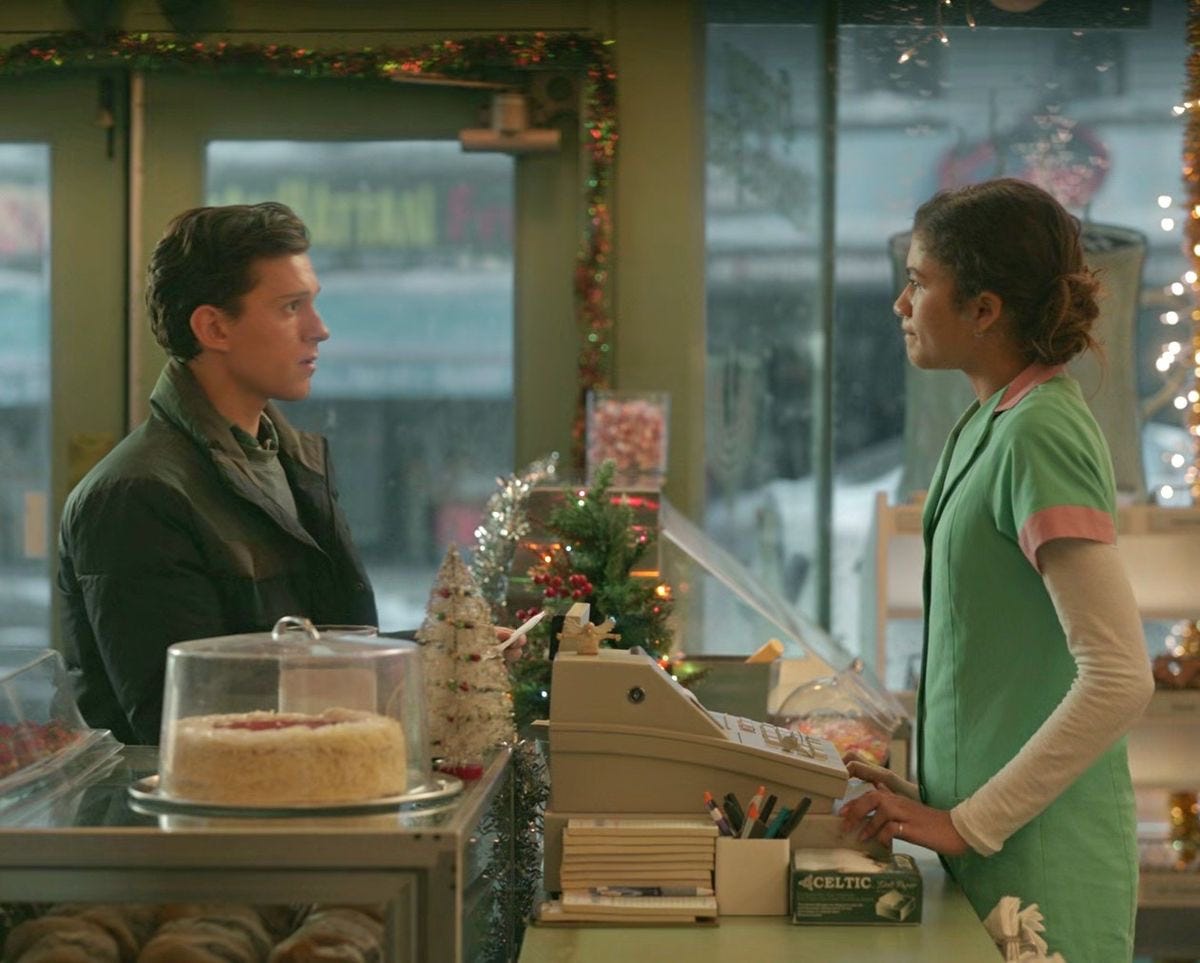
This is another reason why I really enjoyed Spider-Man: Brand New Day, as while it also stumbled into this same uneasy territory, it perfected consent and letting go. Peter Parker’s love interest in this movie, MJ, has forgotten him because of a spell that made the entire world forget him. So she does not have a memory of his existence. In a scene where Jean Grey manipulates Peter by giving him false hope that MJ remembers, he ends up kissing her, unaware of the reality. In a later scene, Peter apologizes to MJ for his action, understanding that her kiss is something she did not consent to, since she is now not the same person who once loved him. He treats her forgetting not as an obstacle to route around, but as a boundary to respect.
The Ship of Theseus is our identity, and while its sameness and material are questioned, it does not need to be resolved in order to sail. It only needs someone willing to keep boarding it, tending it, choosing it, not because it is identical to what it once was, but because it is what remains, and what remains is still worth loving.
Wow!! This is such a good piece! I really liked how you explored love and memory in so many different ways in this piece. The connection with the ship of theseus thought experiment was CHEF’S KISS — i love how you linked the two concepts together.