

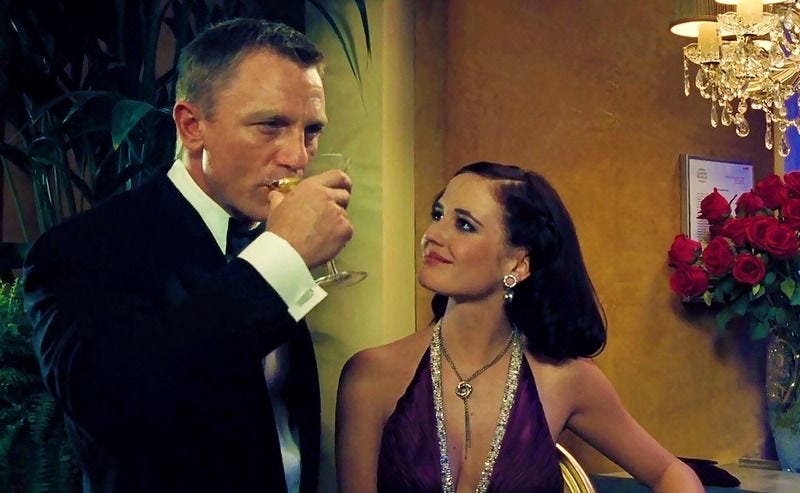
The first thing many people assume that I have dislike for drinking is because of its health risks. But that’s not the case. Others assume it’s religious, but that is not the problem either. Some think I’ve had a traumatic experience with it. I haven’t. It’s not because I hate conformity, nor because I’m uncomfortable socialising. So what is it?
It took me a while to understand why I felt such an intense repulsion to drinking. Eventually, I realised it comes down to two fundamental reasons.
My fear of losing control.
The purpose with which we drink
The first answer is a deeply personal and individual reason. It is not that I hate the idea of being free, having spontaneity, enjoying without care. What I struggle to understand is the belief that they require alcohol. If I could count the amount of times I have been offered to drink , and refused and people still persisted. I would be a millionaire at this point. What drinking asks of us, at least in part, is a willingness to surrender control. People celebrate that feeling of becoming uninhibited, less self-conscious, less restrained. But to me, there is something unsettling about deliberately stepping away from my own mind. I don’t enjoy the feeling of not being fully in my senses, of my thoughts becoming blurry, of feeling even slightly detached from myself. I want my awkward laughter to be mine. I want my conversations to be mine. I want to remember the night exactly as I lived it, not through broken fragments stitched together the next morning. The version of myself I value most is the one that is fully present. I don’t feel the need to chemically arrive at a state of freedom when I believe that freedom should be something I can create on my own.
The second reason is less personal. It stems more from the social associations with drinking. So many social experiences are catered towards the activity of drinking, whether meeting friends at a pub, pre-drinks before a night out, celebrating milestones with champagne, or discussing poetry over a glass of wine. It keeps on getting framed as an activity where connections are made. It is highly romanticized as well. Alcohol is portrayed as the catalyst for honesty, vulnerability, celebration, heartbreak, creativity, even self-discovery. Whether someone is grieving a loss or toasting a success, popular culture repeatedly places a drink in their hand, as though every emotion is somehow incomplete without its place. Pop culture has made a commendable effort in solidifying this image . James Bond famous dialogue ‘shaken, not stirred’ vodka martini are highly quoted, not because of the drink but because of its association with his badass appeal. The drink becomes part of the persona.
Thus alcohol is rarely just a drink, it is a symbol.
That’s what upsets me.
That we’ve elevated a substance into the core of our cultural language, that even refusing a drink can feel like refusing the occasion itself. I don’t dislike alcohol as much, and I have nothing against people that choose to drink. I dislike the expectation that so many meaningful human experiences are best and can only be accessed through it.
True. I mean as you enter in adulthood among friend cricle everyone will persit you to drink. And as you refuse they will act like you are still a child and you are soem alien or what. I feel very much detached that are you that much weak that you have to depend on something like this just to gt into the mood and feel emotions. Everywhere i look i find it is the mark of status everyone want to achieve.
We often romanticize the catalyst and forget the connection was always between people.